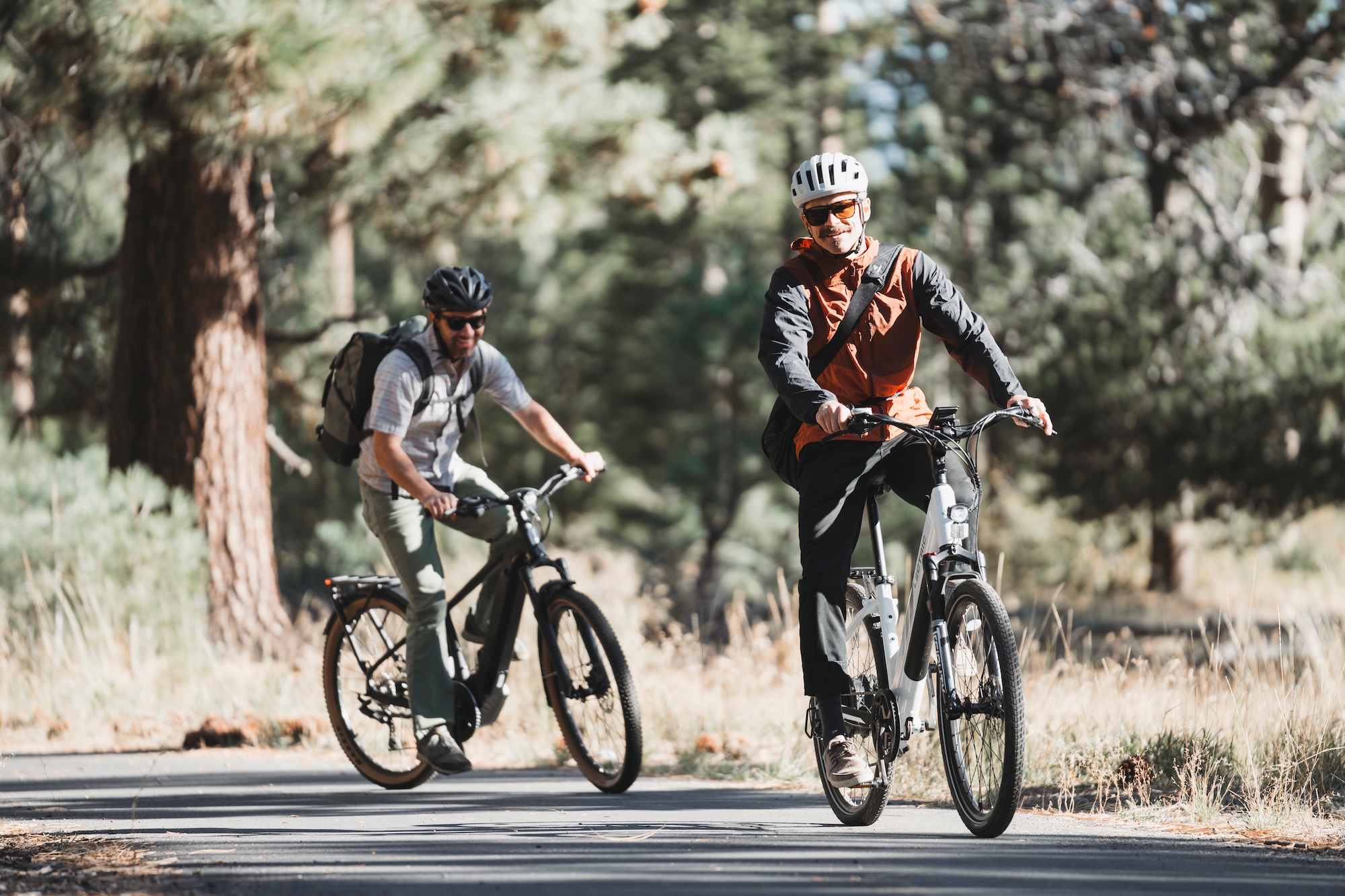
The best bicycles for daily city riding in the USA depend on your route, storage space, and whether you’re willing to pedal or prefer electric assist. I’ve been thinking about what you mentioned regarding handling missing vehicle documentation—choosing the right bike has that same practical urgency. After years working with urban planners and cycling advocacy groups across multiple cities, I’ve learned that bike choice isn’t about trends; it’s about matching your commute reality with a machine built to handle it every single day.
Premium Electric Commuters
The Specialized Turbo Vado 4.0 is the gold standard among electric commuter bikes. It combines an 11-speed SRAM drivetrain, powerful disc brakes, and suspension that actually makes cracked city pavement tolerable. I’ve seen this play out: clients who initially balked at the $3,500 price eventually realized the Vado eliminates excuses—hills, distance, sweat—making car-free commuting genuinely viable. The Aventon Level 3 offers smart GPS tracking and remote locking, features that matter in cities where bike theft is rampant. From a practical standpoint, these aren’t toys; they’re legitimate car replacements that pay for themselves within two years of skipped gas and parking fees. For broader perspectives on urban lifestyle choices and emerging trends, check out Insider Times.
Budget-Friendly E-Bikes That Deliver
What I’ve learned is that electric bikes under $2,000 no longer mean compromised quality. The Lectric XPress 500 arrives nearly assembled, features hydraulic disc brakes and front suspension, and hits 28 mph—all for around $1,400. The 750 model adds more range and power for hilly terrain, making either version a strategic buy for new riders testing car-free life. The Aventon Soltera 2.5 and Euphree City Robin X+ prove you can get torque sensors, quality components, and 50+ mile ranges without premium pricing. Just as comparing the best espresso machines reveals excellent value in mid-tier models, the e-bike market now offers genuine performance at accessible price points. The bottom line is electric assist removes the biggest barrier—arrival sweat—for professional commuters.
Traditional Pedal Power for Purists
Here’s what works if you’re fitness-focused or covering shorter distances: lightweight hybrids and single-speed bikes require zero charging and minimal maintenance. The Specialized Sirrus X 5.0 features carbon construction that makes the bike feel responsive and nimble, perfect for 5-10 mile commutes where you actually want the workout. The Trek FX 2 Disc delivers reliable stopping power and comfortable geometry at a fraction of flagship pricing. For flat urban routes, the Elops 500 City single-speed bike eliminates gear complexity entirely—fewer parts mean fewer repairs, a lesson I learned after watching maintenance costs drain budgets on over-engineered commuter fleets. Treat bike selection like choosing outdoor patio furniture—durability and real-world function trump flashy features you’ll rarely use.
Folding and Cargo Solutions
The real question for multi-modal commuters isn’t whether to fold, but which folder fits your specific transit scenario. Brompton C-Line Explore models remain the benchmark—compact, quick-folding, and genuinely portable on trains and buses. I once worked with a client who needed train-to-office flexibility; the Brompton transformed their 90-minute driving commute into a 50-minute train ride with cycling segments. For families or cargo haulers, the Tern GSD S10 and Lectric Xpedition 2.0 replace short car trips entirely, carrying groceries, kids, or work equipment with stability traditional bikes can’t match. Choosing practical cargo capacity, like selecting men’s wedding rings for daily wear comfort, means prioritizing function that enhances your actual routine.
Maintenance and Long-Term Reliability
MBA programs teach “total cost of ownership,” but in the real world, most buyers focus only on purchase price. Belt-drive systems like those from Priority Bicycles and the Lectric ONE eliminate greasy chains and reduce maintenance intervals dramatically. The Vvolt Centauri II combines mid-drive power with belt drives and auto-shifting hubs—premium tech that actually saves time and money over five years of daily riding. What nobody discusses openly is that cheap bikes often cost more long-term through constant repairs and early replacement. Since 2018, I’ve observed the cycling industry shift toward reliability, with brands offering better warranties and U.S.-based support networks. The best bicycles for daily city riding in the USA now come with multi-year protection and accessible service options.
Conclusion
After evaluating hundreds of commuter setups across diverse urban environments, what works best is aligning bike choice with your actual daily pattern—distance, terrain, storage, and budget. The best bicycles for daily city riding in the USA range from $1,200 e-bikes that democratize car-free commuting to $500 traditional models perfect for fit riders on short routes. Prioritize reliability, theft protection, and realistic range over marketing hype. Whether you choose electric or traditional pedal power, today’s commuter bikes deliver quality that makes daily cycling practical, not just aspirational.
Frequently Asked Questions
What is the most reliable commuter bicycle brand?
Specialized, Trek, and Brompton consistently deliver durability and strong warranty support. For electric models, Aventon, Lectric, and Rad Power Bikes offer excellent value with responsive U.S.-based customer service.
How much should I spend on a daily commuter bike?
Expect $400-$800 for quality traditional bikes and $1,200-$2,500 for electric commuters. Premium models above $3,000 make sense only for long-distance riders or those needing specialized cargo capacity.
What bicycle features matter most for city commuting?
Puncture-resistant tires, fenders, integrated lights, and secure locking points are essential. Electric models should include at least 40-mile range, hydraulic brakes, and weather-resistant components for year-round reliability.
Are electric bikes worth the investment for commuting?
Yes, for distances over 5 miles or routes with hills. E-bikes eliminate sweat and fatigue, making daily riding sustainable. Most riders recoup costs within 18-24 months through saved gas and parking expenses.
What’s better for city riding—folding or full-size bikes?
Full-size bikes offer better stability and ride quality for direct commutes. Folding bikes like Brompton excel for multi-modal trips combining trains or buses, or when apartment storage space is limited.