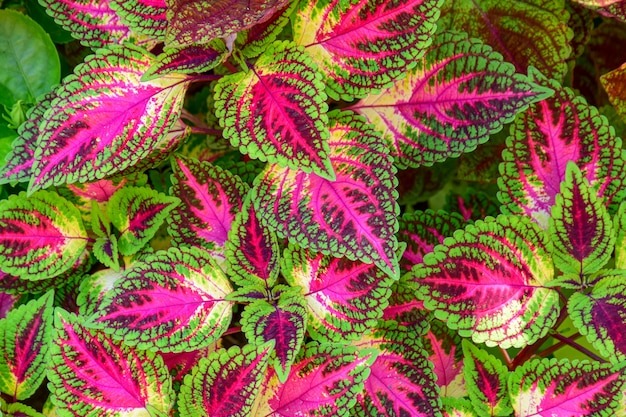
Caladiums are popular ornamental plants known for their colorful leaves and ability to brighten gardens, patios, and shaded outdoor spaces. For new gardeners, learning the basic care requirements can make it easier to maintain healthy plants throughout the growing season. With suitable light, watering, soil, and temperature conditions, these tropical plants can provide attractive foliage without requiring complicated daily maintenance.
1. Choose the Right Planting Location
The location you choose can have a major effect on caladium growth. Spring Fling caladium plants generally perform well in areas with bright, indirect light or partial shade.
Too much intense direct sunlight can cause leaf scorching, particularly during hot afternoons. Before planting, observe the area throughout the day and select a location that provides suitable light while protecting the foliage from harsh conditions.
2. Prepare Well-Draining Soil
Healthy roots need soil that holds enough moisture without remaining constantly waterlogged. Before planting, loosen the soil and remove large stones, weeds, and debris. Adding suitable organic material can improve soil structure and drainage.
If the soil becomes compacted easily, consider improving it before planting. Good drainage helps reduce the risk of root problems and provides a healthier environment for developing plants.
3. Water Consistently
Caladiums appreciate evenly moist soil, especially while they are actively growing. New gardeners should check the soil regularly rather than following a strict watering schedule. If the upper layer feels dry, water thoroughly while allowing excess moisture to drain away.
Spring Fling caladium plants may need more frequent watering during hot or dry periods, but overwatering should still be avoided because constantly saturated soil can damage the roots.
4. Maintain Suitable Temperatures
Caladiums are warm-weather plants and generally grow best when temperatures remain comfortably warm. Cold conditions can slow growth and may damage sensitive foliage.
When temperatures begin dropping significantly, gardeners should pay attention to local conditions and protect outdoor plants when practical. In areas with cooler seasons, understanding the plant’s seasonal growth pattern can help determine when to reduce care or prepare the plant for dormancy.
5. Provide Occasional Fertilization
Caladiums can benefit from nutrients during their active growing period. A suitable balanced fertilizer, applied according to its product directions, can support healthy foliage and continued growth.
Avoid applying excessive fertilizer because too many nutrients can cause problems instead of improving plant health.
6. Monitor Leaves and Overall Health
Regular observation is one of the easiest habits for new gardeners to develop. Look for yellowing leaves, brown edges, wilting, holes, or unusual spots. Some changes may result from watering, sunlight, temperature, or pests.
Removing damaged foliage can help keep the plant looking tidy, while identifying the cause of the problem is important before making major changes to its care routine.
Final Thoughts
Caring for caladiums becomes easier when gardeners understand their basic needs. A suitable planting location, well-draining soil, consistent moisture, warm temperatures, appropriate nutrition, and regular observation can support healthy growth. By providing steady care and responding to changes early, new gardeners can enjoy colorful foliage throughout the growing season and develop greater confidence in caring for ornamental plants.