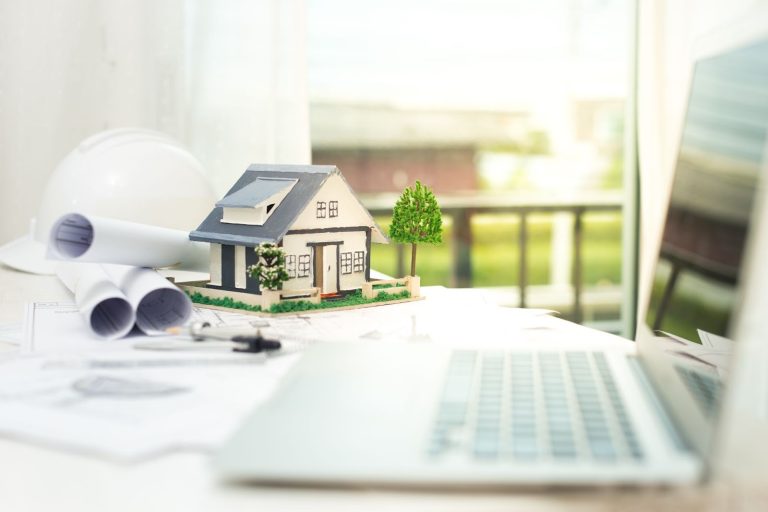
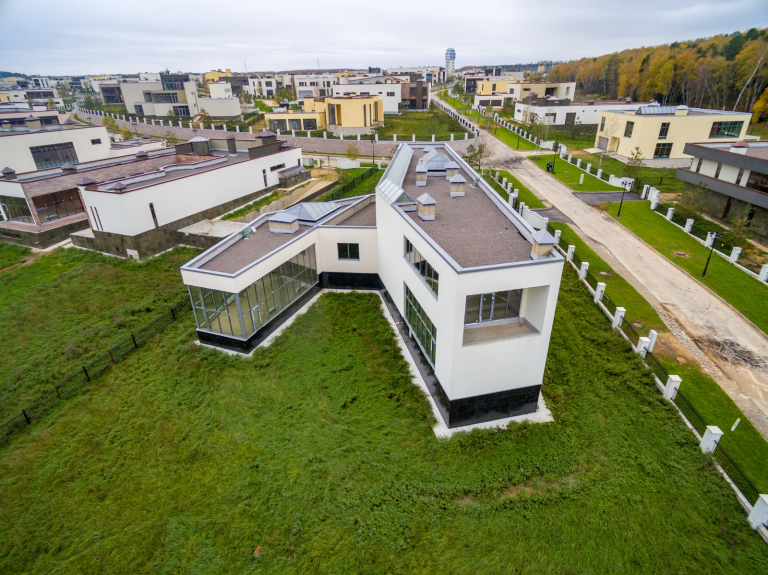
Prefab houses have gained popularity for their efficiency, cost-effectiveness, and customizable designs. If you’re considering building a prefab house, understanding the process from design to completion can help you make informed decisions. Here’s a comprehensive look at the steps involved in designing and constructing your prefab home.
Initial Planning and Research
The journey of creating your prefab house begins with thorough planning and research. It’s essential to identify your specific needs and preferences. Consider factors like the size of the house, the number of rooms, and your budget.
Additionally, researching various prefab house manufacturers can provide insights into available designs and materials. This stage is crucial as it sets the foundation for your project, ensuring that your vision aligns with workable options in prefab houses.
Selecting a Design
Once you have a clear understanding of your needs, the next step is to select a design for your prefab house. Many manufacturers offer a range of pre-designed models, or you can opt for a custom design tailored to your specifications. During this phase, consider layouts, aesthetics, and functionality.
A well-thought-out design will not only enhance your living experience but also reflect your personal style. Collaborating with architects or designers who specialize in prefab houses can ensure that every detail meets your expectations.
Obtaining Necessary Permits
Before proceeding, you’ll need to obtain the required building permits for your prefab house. This process varies by location and often involves submitting architectural plans and paying fees.
It’s advisable to work closely with your prefab house manufacturer, as they usually have experience navigating local regulations. Having the appropriate permits is essential for adhering to building codes and ensuring the longevity of your home.
Site Preparation
Preparing the site for your prefab house is a crucial step that comes next in the process. This includes clearing the land, leveling the ground, and ensuring access to utilities such as water, electricity, and sewage systems.
Site preparation is vital for a smooth installation process and ensures that your prefab house will be stable and well-integrated into its environment. Working with professional contractors who have experience dealing with prefab houses can make the site preparation phase efficient and effective.
Assembly and Construction
With the site prepared and permits obtained, the assembly of your prefab house can begin. This stage is often quicker than traditional building methods because the components are manufactured off-site and then transported for assembly. Skilled teams complete the construction, following the design specifications closely.
Depending on the complexity of the design and weather conditions, the assembly of your prefab house may be completed within a matter of weeks, allowing you to move in sooner than expected.
Final Thoughts
In conclusion, designing and building a prefab house is an engaging process that involves careful planning, design selection, obtaining permits, site preparation, and assembly. Each step is crucial to creating a home that meets your needs while adhering to regulations and construction standards.
By understanding this process, you can navigate the journey confidently, leading to a successful and satisfying outcome. Prefab houses offer a unique blend of efficiency and customization, making them an attractive choice for many homeowners looking to create their dream dwelling.