Creating a comfortable and energy-efficient home is no longer just a luxury; it’s a necessity. With rising energy costs and the desire for a healthier living environment, homeowners are increasingly investing in upgrades that improve comfort while reducing energy consumption. From improving insulation to enhancing natural light, the right upgrades can transform your home into a space that is both inviting and cost-effective. This article explores some of the most impactful home improvements that offer long-term benefits for efficiency and everyday living.
Window Replacement: A Modern Solution for Comfort and Savings
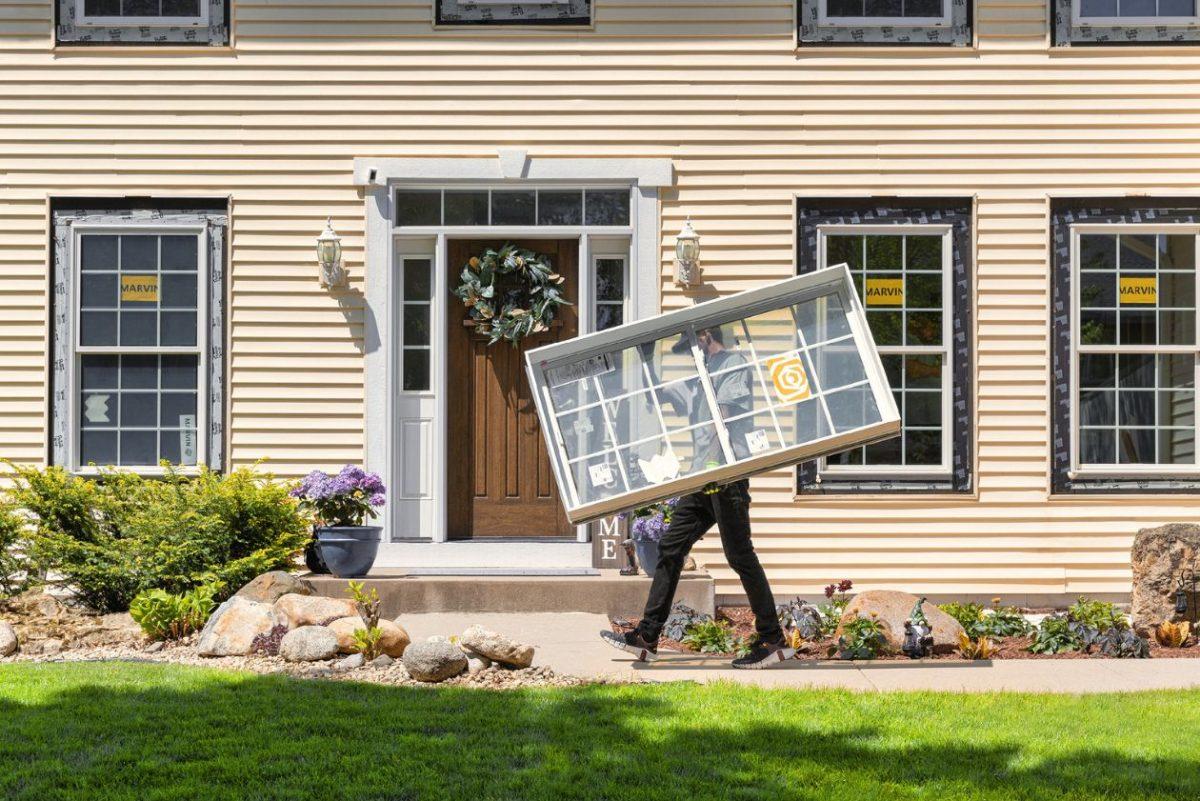
Window replacement is a key upgrade that not only enhances the aesthetic appeal of your home but also significantly improves energy efficiency. Older windows can be drafty, letting in cold air during winter and heat during summer, which puts extra strain on your heating and cooling systems. By investing in modern, energy-efficient windows, you can reduce energy bills, minimize outside noise, and create a more comfortable indoor environment. High-quality window replacement also helps prevent moisture buildup and fading of interior furnishings, making it a practical upgrade for both functionality and style.
Awnings: Practical and Stylish Protection
Awnings are a versatile addition that can enhance both comfort and energy efficiency. By providing shade over windows, patios, or outdoor living areas, awnings reduce the amount of direct sunlight entering your home. This not only helps keep indoor spaces cooler during hot months but also reduces reliance on air conditioning, contributing to energy savings. Beyond their functional benefits, awnings add a decorative element to your home’s exterior, offering style options that complement your architectural design. Retractable awnings, in particular, provide flexibility, allowing homeowners to adjust shade and sunlight according to the season or activity.
Insulation: Keeping Your Home Temperature Stable
Improving insulation is one of the most effective ways to enhance home efficiency. Proper insulation in walls, attics, and basements helps maintain a stable indoor temperature, reducing the workload on heating and cooling systems. Upgrading insulation not only lowers energy costs but also contributes to a quieter, more comfortable home. Modern insulation materials are designed to provide superior thermal performance while also being environmentally friendly. Investing in this upgrade ensures that your home remains cozy in winter and cool in summer, no matter the weather outside.
Smart Home Technology: Convenience at Your Fingertips
Smart home technology has become a cornerstone of modern living, offering convenience and energy savings simultaneously. From programmable thermostats to automated lighting systems, these innovations allow homeowners to optimize energy use without sacrificing comfort. For instance, smart thermostats can adjust heating and cooling based on your schedule, ensuring your home is always at the ideal temperature while reducing unnecessary energy consumption. Integrating smart home devices also improves safety and control, giving you the ability to monitor and manage your home remotely.
Flooring and Lighting: Enhancing Ambiance and Efficiency
Upgrading flooring and lighting can dramatically improve both comfort and energy efficiency. Choosing materials like bamboo, cork, or engineered wood provides durability while enhancing indoor comfort, especially in spaces where temperature and sound insulation are important. Similarly, modern LED lighting reduces energy use compared to traditional bulbs and allows for creative design solutions that improve ambiance. Layered lighting, including task, accent, and ambient lighting, can make rooms feel more welcoming and functional, while energy-efficient fixtures contribute to long-term savings.
Kitchen and Bathroom Upgrades: Practical Improvements for Daily Life
Modernizing kitchens and bathrooms is not just about aesthetics; it directly affects daily comfort and efficiency. Energy-efficient appliances, water-saving fixtures, and proper ventilation enhance functionality while reducing utility costs. Upgrading countertops, cabinets, and plumbing systems also improves durability and convenience, making everyday tasks easier and more enjoyable. These upgrades are particularly impactful because kitchens and bathrooms are high-traffic areas where comfort and efficiency matter most.
Conclusion
Transforming your home for efficiency and comfort involves a combination of smart investments and thoughtful design choices. Window replacement, awnings, insulation, smart technology, flooring, lighting, and kitchen or bathroom upgrades all contribute to a more enjoyable, energy-conscious living environment. By focusing on these key improvements, homeowners can create spaces that are not only visually appealing but also practical, sustainable, and comfortable for everyday life. Investing in your home today ensures long-term benefits for both your wallet and your quality of life.